Larimore Wedding Venue

History

A Venue Steeped in History

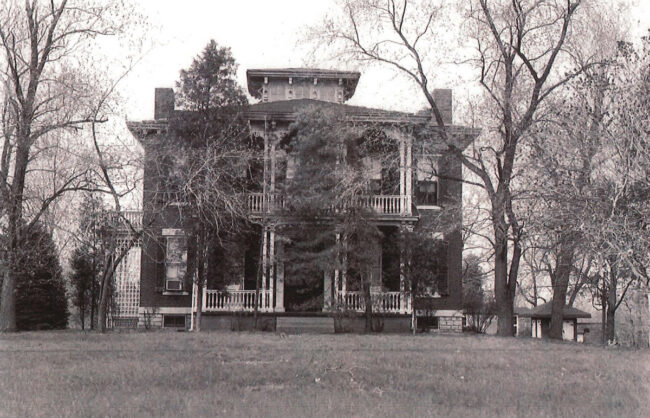
Formerly The Larimore Plantation House, built by Wilson Larimore in 1858, once stood on 2,000 acres of lush farmland. The plantation produced crops such as hay, corn, rye, sweet potatoes, livestock, honey, and hemp. The early prosperity of the estate was built on enslaved labor – a painful yet essential truth.

The Larimore was listed on the National Register of Historic Places and celebrated as a Landmark and Preservation Area by St. Louis County. Local historians have visited the property, assisting us in gathering more information about the Larimore family, as well as the 16 enslaved workers and their families that once worked on the plantation in the early 1800’s to be able to honor their legacy.

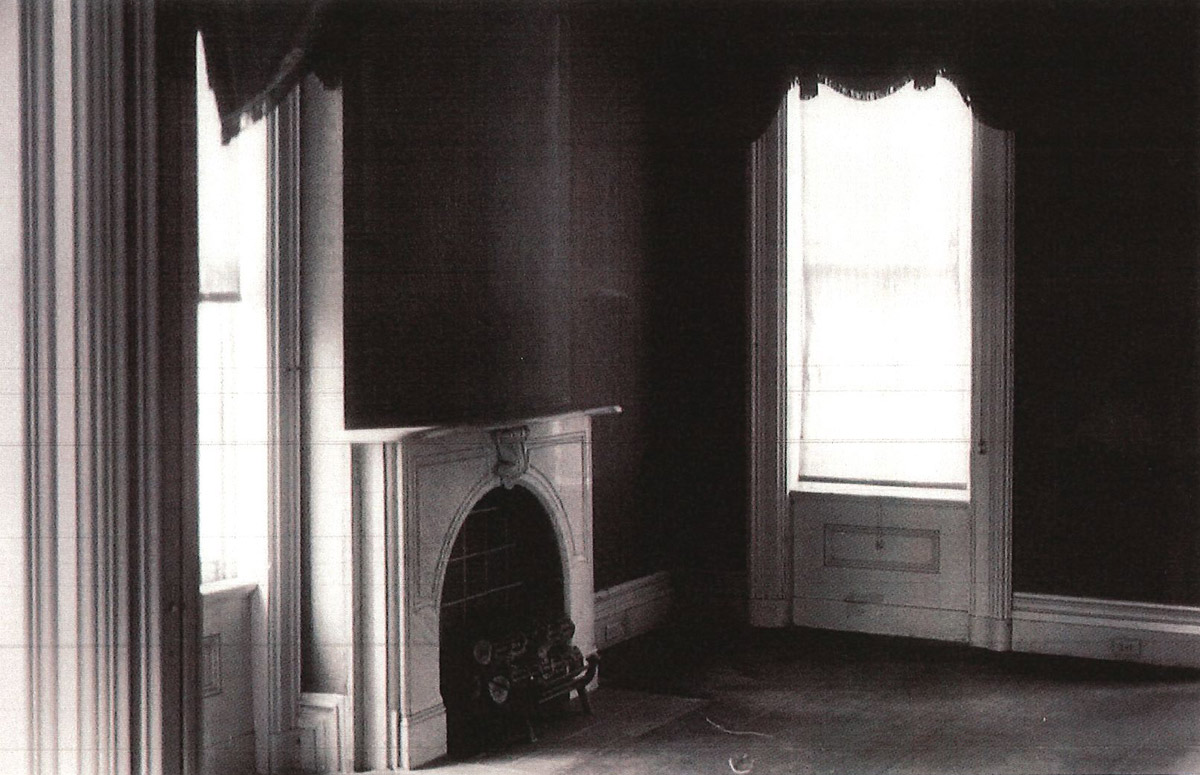
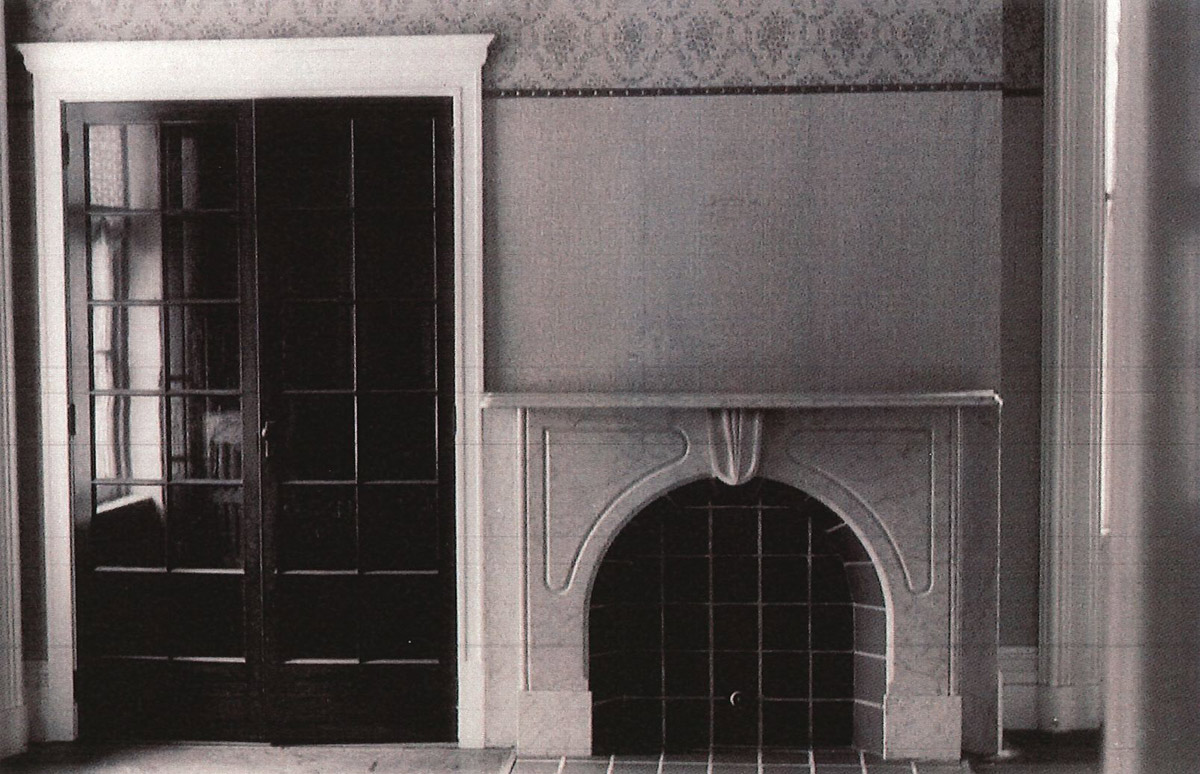
The home was constructed in the Italianate-style with distinctive features: 12‑ft ceilings, multiple fireplaces, cupola, widow’s walk, and original cooking areas.

The Larimore family retained ownership of the property for over 50 years before it was sold to John Scott and then to the Penningroth family, who used the land as a summer home and parceled off the acreage.

By 1989, the Bovey family purchased and restored the property, transforming it into a wedding venue. It has continued to operate as a wedding venue since its acquisition by The Gilchrist Collection in 2023.

From its beginnings as a farm to its time as a charming bed and breakfast, The Larimore has evolved gracefully over the years, standing as one of the oldest and most storied properties in the St. Louis area. Thoughtful restorations have preserved its historic character while adapting to modern needs, making it a cherished destination for weddings and events.

Built during a time when enslaved labor shaped much of Missouri, The Larimore now serves as a place of unity, joy, and new beginnings. We proudly welcome couples of every race, faith, and orientation to celebrate love and freedom in a space where those ideals were once denied. Honoring the past while creating unforgettable moments in the present.

We are eager to uncover more about the individuals who were enslaved at the plantation – their lives, stories, and what became of them after emancipation in 1865.

Despite our efforts, much remains unknown, and we are actively seeking any leads or information that could help piece together their history.

If you have knowledge, documents, or stories to share, we would love to hear from you: enquiries@gilchristcollection.co.uk

Scroll to Top